Curating Journeys, Experiences & more ...
Bhutan – The Last Himalayan Kingdom
Discover a land where happiness is a way of life, ancient traditions thrive, and breathtaking landscapes await around every corner.
Nestled in the heart of the Eastern Himalayas, the Kingdom of Bhutan is one of the world's last great Himalayan kingdoms, where ancient traditions, breathtaking landscapes, and a deep respect for nature continue to shape everyday life. Renowned for its unique philosophy of Gross National Happiness, Bhutan measures progress not only through economic growth but also by the well-being, culture, environment, and spiritual fulfilment of its people.
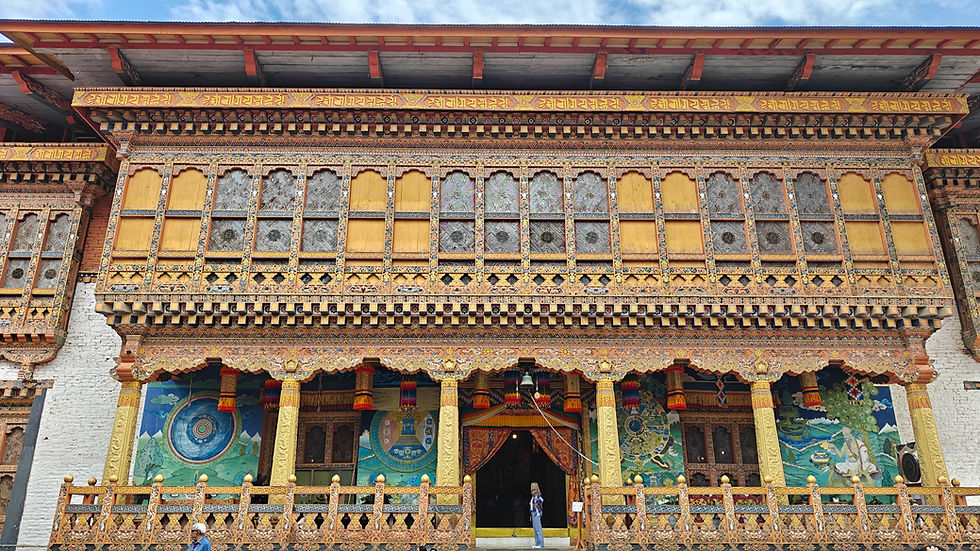
From snow-capped peaks and pristine forests to dramatic cliffside monasteries, majestic dzongs, and peaceful valleys dotted with prayer flags, Bhutan offers an experience unlike anywhere else in the world. Every winding mountain road reveals spectacular scenery, while every village offers a glimpse into a way of life that has remained remarkably unchanged for centuries.
Beyond its natural beauty, Bhutan is a destination that touches the soul. Whether hiking to the iconic Tiger's Nest Monastery, exploring centuries-old fortresses, attending colourful festivals, or simply sharing a smile with the warm and welcoming Bhutanese people, every moment is infused with a sense of serenity and authenticity.
Our carefully curated journeys take you beyond the well-known highlights to discover Bhutan's hidden valleys, sacred temples, vibrant cultural traditions, and untouched landscapes. Whether you are visiting for the first time or returning to explore its lesser-known regions, Bhutan promises an unforgettable journey of discovery, inspiration, and happiness.
Curated Itineraries for Bhutan
Best of Bhutan: A 7-Day Cultural Journey
7 Days | 6 Nights
Tour Overview
Experience the timeless beauty of Bhutan on this unforgettable 7-day journey through the country's most iconic destinations. Explore the vibrant capital of Thimphu, discover the historic valley of Punakha, and immerse yourself in the scenic charm of Paro. From majestic monasteries and ancient fortresses to breathtaking Himalayan landscapes and the legendary Tiger's Nest Monastery, this tour offers the perfect introduction to the rich culture, spirituality, and natural beauty of the Kingdom of Bhutan.
Tour Highlights
-
Discover Bhutan's three iconic valleys – Thimphu, Punakha & Paro
-
Visit the magnificent Buddha Dordenma and Tashichho Dzong
-
Cross the scenic Dochula Pass (3,100 m)
-
Explore the beautiful Punakha Dzong and Chimi Lhakhang
-
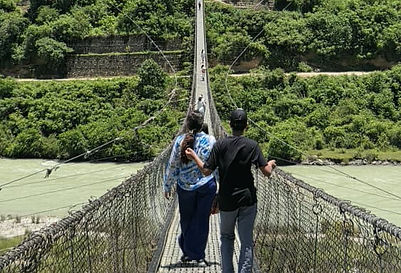
Walk across Bhutan's longest suspension bridge
-
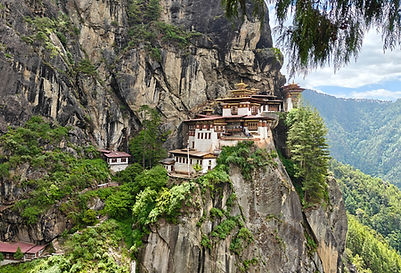
Hike to the world-famous Tiger's Nest Monastery
-
Experience Bhutanese culture, heritage, and warm hospitality
Accommodation
Accommodation is available in carefully selected 3-Star, 4-Star, Luxury or Boutique Hotels, allowing you to choose the level of comfort that best suits your travel style.
Best Time to Visit
Bhutan is a year-round destination, with each season offering its own unique charm.
-
Spring (March–May): Blooming rhododendrons and pleasant temperatures
-
Autumn (September–November): Clear Himalayan views and colourful festivals
-
Winter (December–February): Crisp mountain air and fewer visitors
-
Summer (June–August): Lush green valleys and peaceful landscapes
Detailed Itinerary
Day 1 | Arrive in Paro – Transfer to Thimphu
Drive: Approx. 1.5 hours
Upon arrival at Paro International Airport, you will be greeted by your guide with a traditional Bhutanese welcome – "Druk Yul Joen Pa Legso" Welcome to Bhutan!.
Enjoy a scenic drive along the Paro and Wang Chhu river valleys to Thimphu, Bhutan's charming capital city. After checking into your hotel, spend the evening exploring the lively Clock Tower Square, browsing local handicraft shops or relaxing at one of the city's cafés.
Overnight: Thimphu
Day 2 | Explore Thimphu
After breakfast, enjoy a full day discovering Bhutan's unique capital, where tradition and modernity coexist in perfect harmony.
Today's highlights include:
-
Buddha Dordenma – one of the world's tallest seated Buddha statues
-
Motithang Takin Preserve
-
National Memorial Chorten
-
Institute for Zorig Chusum (Traditional Arts School)
-
Folk Heritage Museum
-
Royal Textile Academy
-
Centenary Farmers' Market (weekends only)
-
Evening visit to Tashichho Dzong (exterior)
Overnight: Thimphu


Day 3 | Thimphu – Dochula Pass – Punakha
Drive: Approx. 2 hours
After breakfast, journey to the beautiful Punakha Valley via the spectacular Dochula Pass (3,100 m). On a clear day, enjoy breathtaking panoramic views of the snow-capped Himalayas and the iconic 108 memorial chortens.
Continue to Punakha and visit:
-
Chimi Lhakhang (Temple of Fertility), reached by a pleasant walk through picturesque rice fields
-
Punakha Dzong, Bhutan's most beautiful and historically significant fortress, situated at the confluence of the Pho Chhu and Mo Chhu rivers
Overnight: Punakha
Day 4 | Explore Punakha
Spend the day exploring the cultural treasures of Punakha.
Visit the serene Sangchhen Dorji Lhuendrup Nunnery, beautifully located on a hilltop overlooking the valley, and walk across Bhutan's famous suspension bridge, stretching 350 metres over the rushing Pho Chhu River.
The remainder of the day is free to relax or explore the peaceful surroundings at your own pace.
Overnight: Punakha


Day 5 | Punakha – Paro
Drive: Approx. 3 hours
After breakfast, drive back to the picturesque Paro Valley.
Visit the National Museum (Ta Dzong), home to an impressive collection of Bhutanese art, history, textiles, religious relics, and traditional artefacts.
Later, stroll through Paro's charming town centre, where you can browse handicraft shops, cafés, and local markets.
Overnight: Paro
Day 6 | Tiger's Nest Monastery Hike
Today's highlight is the unforgettable hike to Taktsang Monastery (Tiger's Nest), Bhutan's most iconic landmark.
Perched dramatically on a cliff approximately 900 metres above the Paro Valley, this sacred monastery is one of the country's most revered pilgrimage sites.
The hike takes approximately 4–5 hours (round trip). Ponies are available for hire up to the midway cafeteria for guests wishing to reduce the uphill walk.
After returning from the monastery, spend the evening at leisure.
Overnight: Paro
Day 7 | Depart Paro
After breakfast, transfer to Paro International Airport for your onward flight.
Depart Bhutan with unforgettable memories of its majestic mountains, ancient monasteries, colourful traditions, and warm hospitality.
Tashi Delek!


.jpeg)




.jpeg)




Destinations in Bhutan
Paro
This valley town serves as the main gateway to Bhutan for most visitors. Paro is home to Paro Taktsang, also known as Tiger's Nest, a spectacular monastery perched on a cliffside.
-
Paro Taktsang (Tiger’s Nest Monastery): Perched on a cliff, it is one of Bhutan's most iconic landmarks.
-
Rinpung Dzong: A fortress-monastery overlooking the Paro Valley, known for its stunning architecture and annual Paro Tsechu festival.
-
Kyichu Lhakhang: One of Bhutan's oldest and most revered temples.

Thimphu
The capital city, known for its modern amenities mixed with traditional architecture.
-
Buddha Dordenma Statue: A massive statue of Buddha offering panoramic views of Thimphu.
-
Tashichho Dzong: The seat of the government and the central monastic body, notable for its impressive structure.
-
National Memorial Chorten: A stupa dedicated to world peace and prosperity.
-
Folk Heritage Museum: Showcases traditional Bhutanese life.


Punakha
The former capital of Bhutan, Punakha is a beautiful valley town located at the confluence of two rivers. Punakha Dzong, one of the most important dzongs in Bhutan, is located here.
-
Punakha Dzong: Known for its stunning location at the confluence of the Pho Chhu and Mo Chhu rivers, and its historical significance.
-
Chimi Lhakhang: The temple of fertility, associated with the Divine Madman, Drukpa Kunley.

Gangtey Valley
Also known as the Phobjikha Valley is a winter habitat for black-necked cranes. This scenic valley is a great place for birdwatching and nature walks.
-
Gangtey Monastery: An important monastery of the Nyingma school of Buddhism.
-
Black-necked Crane Center: Dedicated to the conservation of these endangered birds that migrate here in winter.
Know before you go
Visa & Travel Information
Planning a trip to Bhutan is simple, but there are a few important travel requirements to keep in mind before you embark on your journey.
Tourist Entry Requirements
-
Visa : Most international travellers require a tourist visa to enter Bhutan. The visa is processed through a licensed Bhutanese tour operator or an authorized international travel partner before your arrival. Nationals of India, Bangladesh and the Maldives enjoy simplified entry procedures and do not require a tourist visa. However, valid travel documents and applicable entry permits are required.
-
Sustainable Development Fee (SDF) : Bhutan follows a unique "High Value, Low Volume" tourism policy aimed at preserving its rich cultural heritage and pristine environment. All eligible international visitors are required to pay the Sustainable Development Fee (SDF), which contributes towards environmental conservation, cultural preservation, healthcare, education, and infrastructure development. The applicable SDF is charged in accordance with the latest regulations issued by the Royal Government of Bhutan.
-
Guided Travel : International visitors (except those exempt under current regulations) are required to travel on a pre-arranged itinerary organized through a licensed Bhutanese tour operator or an authorized international travel partner. This ensures a seamless travel experience with experienced local guides, comfortable accommodation, and private transportation.
Experience Bhutan's Rich Culture
-
Bhutan's vibrant traditions remain deeply woven into everyday life, offering visitors authentic cultural experiences unlike anywhere else in the Himalayas.
-
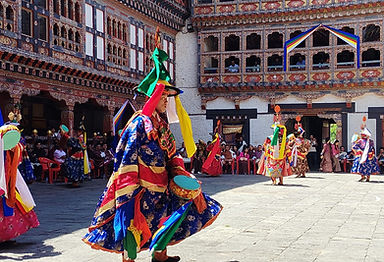
Colourful Festivals (Tshechus) : Witness Bhutan's spectacular annual religious festivals, where elaborately masked monks perform sacred dances accompanied by traditional music. These celebrations are among the country's most cherished cultural events and offer fascinating insights into Bhutanese spirituality.
-
Traditional Arts & Crafts : Discover Bhutan's rich artistic heritage through handwoven textiles, intricate thangka paintings, wood carving, bamboo crafts, handmade paper, and exquisite metalwork. Visit artisan workshops and local markets to meet skilled craftsmen preserving centuries-old traditions.
-
Bhutanese Cuisine : Savour authentic Himalayan flavours featuring locally grown ingredients.
Popular dishes include: Ema Datshi – Bhutan's national dish of chilli peppers and local cheese, Phaksha Paa – Pork cooked with red chillies and mountain herbs, Momos,
Traditional steamed or fried dumplings, Red Rice – A nutritious local staple served with most meals, Suja – Traditional Bhutanese butter tea
Essential Travel Tips
Best Time to Visit
Bhutan is a year-round destination, with each season offering a unique experience.
-
Spring (March–May): Blooming rhododendrons, pleasant temperatures, and excellent trekking conditions.
-
Autumn (September–November): Crystal-clear Himalayan views, colourful festivals, and comfortable weather.
-
Winter (December–February): Snow-capped mountains, fewer visitors, and the arrival of Black-necked Cranes in Phobjikha Valley.
-
Summer (June–August): Lush green valleys, wildflowers, and quieter tourist sites.
Currency
-
The official currency is the Bhutanese Ngultrum (BTN), which is pegged at par with the Indian Rupee. Indian Rupees are widely accepted throughout the country (except high-denomination notes where applicable under current regulations).
Dress Code
-
Bhutan is a deeply spiritual country where modest attire is appreciated, particularly when visiting monasteries, dzongs, temples, and other religious sites. Visitors should wear clothing that covers the shoulders and knees and remove hats before entering sacred buildings.
Connectivity
-
Mobile networks and Wi-Fi are available in most hotels and major towns, including Paro, Thimphu, and Punakha. While internet access is generally reliable in urban areas, connectivity may be slower or limited in remote valleys and mountainous regions.
Health & Altitude
-
Most destinations in western Bhutan are situated between 2,200 and 3,100 metres above sea level. It is advisable to stay well hydrated, avoid strenuous activity on your first day, and allow time to acclimatise, particularly if your itinerary includes high mountain passes or trekking.
Responsible Travel
-
Bhutan is internationally recognised for its commitment to sustainable tourism. Visitors are encouraged to respect local customs, avoid single-use plastics where possible, dispose of waste responsibly, and help preserve the country's extraordinary natural and cultural heritage for future generations.